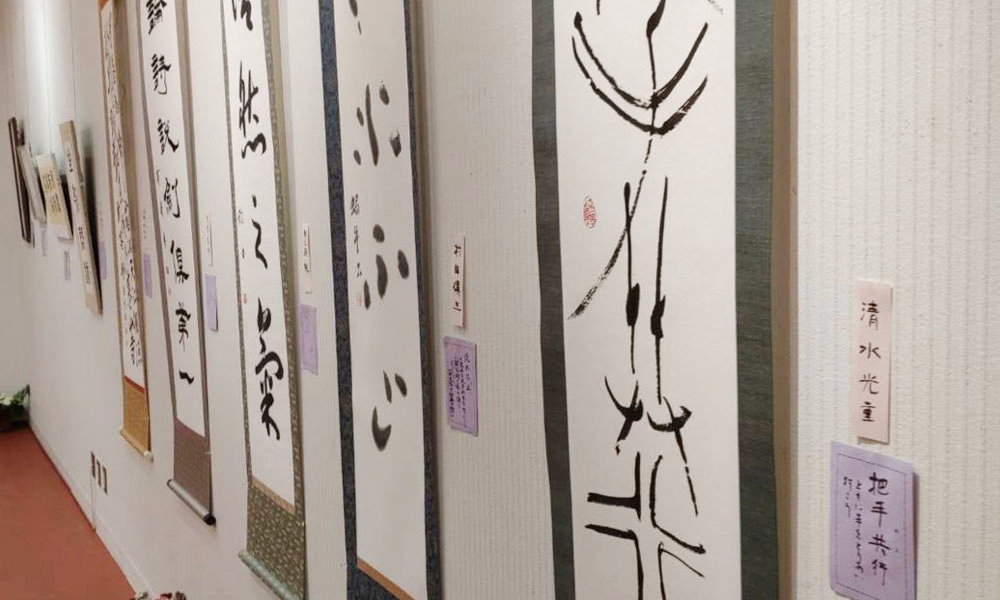
This week is perfect for searchers of “Japanese sumi ink,” “sumi-e ink,” and “shodo ink.” From Oct 26 to Nov 3, several low-key events around Kanto let you see, compare, and even try sumi in person—exactly the kind of real-world experience that turns casual readers into confident beginners. Below you’ll find three go-now picks, a simple gear list, a 15-minute routine, and quick answers to the most-searched questions such as “sumi ink vs India ink” and “is sumi ink waterproof.” (Always confirm latest schedules on the organizers’ pages; some sessions require reservations.)
Events you can attend this week (Kanto)
• 41st SUMIBI Exhibition (Shinjuku, Hiltopia Art Square) — Oct 23–28, 2025
Public exhibition spanning sumi-e, calligraphy, and ink art. Free admission; quiet enough to compare brushwork and gradations up close.
• Nanboku-kai Suibokuga Group Exhibition (Nagareyama Elz, Chiba) — Oct 26–30, 2025
Community-led watercolor-ink show. Free, no reservation. A relaxed, “hidden-gem” atmosphere for slow looking and note-taking.
• PIGMENT TOKYO: Intro to Suminagashi & Sunago (Tennozu, Shinagawa) — Nov 3, 2025, 14:00–16:00
Hands-on marbling with Japanese sumi ink (suminagashi) plus gold dust accents (sunago). Small class size; pre-booking recommended.
Why in-person matters for Japanese sumi ink
Seeing sumi on paper—how an ink stick blooms on kozo, how bottled sumi ink holds a line, how a “stop” (tome) dries—is worth a hundred product pages. Use exhibitions to study:
• Line vs. wash: note where artists switch from line emphasis to soft washes.
• Paper behavior: thin practice paper drinks fast; sized papers keep edges crisp.
• Value range: look for deep black (nōtan), mid-tones, and the lightest gray haze.
Right after viewing, try a make-and-learn workshop; memory of what you saw will translate immediately into your own strokes.
Beginner kit (minimal, effective)
• Ink stick (固形墨) or bottled sumi ink (墨汁) — start with bottled for convenience; move to an ink stick to unlock richer tonal control.
• Ink stone (硯) — a small, smooth stone is enough; smoother “eye” = smoother particles.
• Brush — a medium brush with good “spine” (koshi) for stable downstrokes.
• Paper — a stack of practice sheets plus 2–3 sheets of better paper for finished pieces.
• Mat & paperweights — reduce bleed and slippage. Keep sleeves out of the way; clean hands.
15-minute routine that stabilizes lines
- Set the paper at a 5–10° angle and fix it (1 min).
- Breathe 4–4–4 for six cycles; drop the shoulders (1.5 min).
- Make ink: for ink sticks, aim for a “two grains of rice” thickness in the well (3 min).
- Warm-up strokes: thick → thin → stop → sweep (3 min).
- Commit to one sheet: mentally trace the first stroke, then place the brush (6 min).
Repeat this sequence every time. Consistent setup reduces variability and builds rhythm.
Japanese sumi ink vs India ink (quick comparison)
• Ink stick (ink stick + ink stone): Deep, layered tones; best for expressive washes and subtle edges. Requires time; the ritual helps focus.
• Bottled sumi ink: Ready-to-use, predictable flow, easy cleanup. Slightly more uniform tone; ideal for practice, study, and quick pieces.
• India ink: Often formulated for waterproof lines and strong contrast; excellent for comics and technical linework. Its line “breath” and bleed differ from sumi-e ink on typical washi.
Pine soot vs oil soot (color nuance)
• Pine soot ink (松煙墨 / pine soot): cooler, sometimes bluish-black; crisp feeling in light washes.
• Oil soot ink (油煙墨 / oil soot): warmer black; washes can feel rounder and fuller.
Both are “Japanese sumi ink”—choose based on the mood you want on paper and on the paper’s sizing (dosa).
What to paint this week (easy, seasonal wins)
• Autumn grasses (bush clover, pampas): lay a light gray field first, then pick 2–3 decisive dark accents.
• Year-of-the-Snake preview: practice a continuous “one-stroke” curve; test different brush pressures for neck vs. tail.
• Abstract black diptych: after a suminagashi class, create two related pieces—one with soft clouded marbling, one with tighter veining—to explore contrast.
FAQ for top search intents
Q1. Is Japanese sumi ink waterproof?
A. Treat traditional ink sticks as non-waterproof. Some bottled sumi inks and many India inks are water-resistant, but for sumi-e artworks assume “not waterproof,” then dry fully and frame.
Q2. Which is better for beginners, ink stick or bottled sumi ink?
A. Start with bottled sumi ink to practice posture, pressure, and spacing. Add an ink stick once you’re ready to explore deeper tonal variety and the meditative grind.
Q3. Which paper bleeds least?
A. Thicker, well-sized papers (stronger dosa) keep edges clean and slow absorption. Unsized or very thin papers train timing—great for learning “ma,” the sense of interval.
Q4. Can I mix sumi ink with India ink?
A. You can, but expect different binders and drying behavior. Test on offcuts; mix small amounts, and note any sheen changes or unexpected feathering.
Q5. How do I display my first piece?
A. Start with postcard, shikishi, or an A4 frame. Use a generous mat to emphasize “black × white space.” Good mounting boosts perceived quality instantly.
Sustainability angle to watch
November brings COP30 into the news cycle, where “soot as resource” and material circularity are hot topics. Japanese sumi ink—traditionally made from soot bound into sticks—invites timely conversations about materials, craft longevity, and responsible making. A short primer on pine-soot vs oil-soot alongside your gear guide helps capture searches that merge art and sustainability.
Your week, in one path
• See: compare blacks at a public show (Shinjuku) and a quiet community exhibit (Nagareyama).
• Do: book a small, beginner-friendly class (Tennozu) to convert inspiration into a finished piece the same day.
• Keep: commit to the 15-minute routine and one finished sheet per session. That consistent “win” is what keeps people practicing—and keeps your learning curve steep.
Deepen your connection to Japanese tradition.
Shop (original works & commissions):
https://calligraphyartwork.stores.jp


コメント