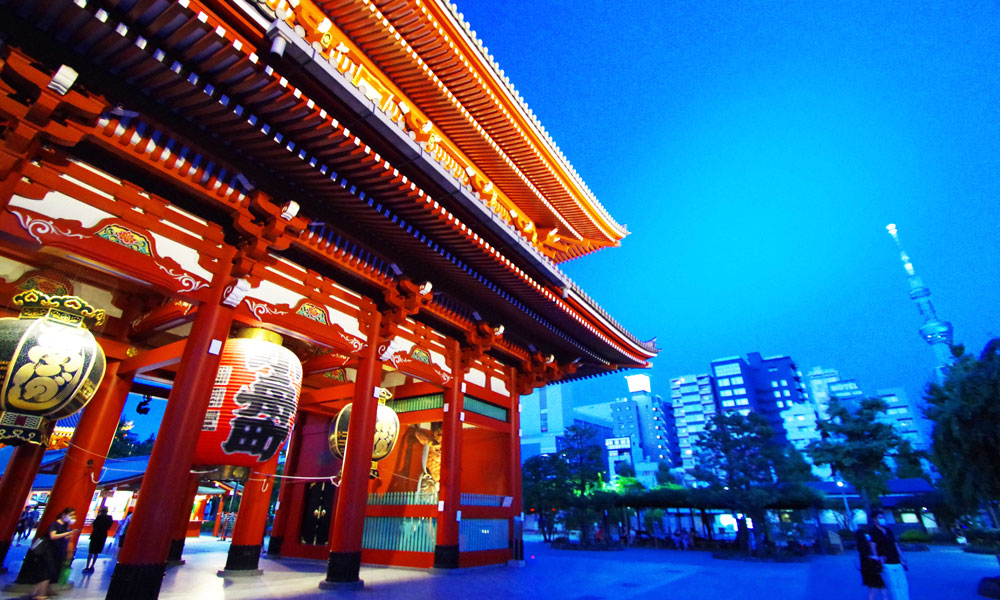
Most first-time visitors imagine Tokyo as neon, speed, and crowds.
That image is real—but it’s not complete.
Tokyo also has a quiet side: pockets of calm where your breathing slows, your shoulders drop, and the day stops feeling like a checklist. The easiest way to access that quieter Tokyo is to plan one “silence window” on purpose—and then protect it.
One of the most reliable ways to do that is a Shodo experience (Japanese calligraphy). Not because it’s “touristy,” but because it’s the opposite: focused, tactile, and slow—with a finished piece you created yourself.
This guide shows a practical approach:
- find Tokyo’s quiet side (without needing insider knowledge),
- choose one quiet cultural experience, and
- make it the anchor that upgrades your whole day.
Tokyo’s Quiet Side: 5 Calm “Hidden” Experiences You Can Actually Plan
You don’t need secret coordinates. You need the right categories.
1) A traditional garden (the fastest way to change the air)
Tokyo has places where water, stone, and pine trees do what noise-canceling headphones can’t: they reset your nervous system. A garden visit works especially well
in the first hour after opening
on light rain days
on weekdays
Treat it like a short “soft landing,” not a long sightseeing block.
2) Backstreets in an older neighborhood (slow walking > fast transit)
Some Tokyo areas still reward the old travel skill: walking with no target. Look for
small shrines tucked between houses
quiet alleys with local workshops
streets where you hear birds more than music
Your goal is not “Instagram spots.” Your goal is tempo.
3) A small temple moment (10 minutes is enough)
You don’t need to “temple-hop.” One quiet stop—just standing, looking, and breathing—can reset your day more than three major attractions.
4) Tea with no screen (the most underrated Tokyo luxury)
A quiet cup of tea (or coffee) after a calm walk locks the mood into memory. This is where the day stops feeling rushed.
5) One hands-on cultural session (the anchor)
This is where a Shodo experience becomes powerful: it turns calm from “atmosphere” into a skill you can feel in your hands.
Why a Japan Shodo Experience Belongs in a Tokyo Itinerary
A Shodo session gives you three rare things at once:
Silence with structure (you’re not just “resting,” you’re focusing)
Cultural depth without lectures (you learn through your body)
A real souvenir (a finished work you created, not something you bought)
In a city that pushes speed, Shodo teaches the opposite: one stroke, one breath, one decision.
How to Choose the Right Shodo Experience in Tokyo (5-Point Checklist)
When you search “Shodo experience Tokyo” or “Japanese calligraphy workshop Tokyo,” you’ll see many options. Use this checklist so you don’t end up in a rushed, noisy class.
1) Small group or private-style (quiet depends on people)
Shodo improves instantly when you are not rushed. If your priority is calm, choose
small group
semi-private
private-style
2) Language comfort (English support reduces tension)
Even if you speak some Japanese, it helps when the instructor can explain
brush grip
pressure control
how to finish a stroke cleanly
A quiet art becomes stressful when instructions feel unclear.
3) Materials and pacing (not just “try it once”)
A good session includes time to
practice basic lines
adjust ink density
create one final clean piece
If the schedule feels like a conveyor belt, the experience will too.
4) Take-home format (decide your souvenir first)
Different classes offer different finishes:
shikishi board (square board paper)
standard paper with mounting options
fan or scroll-style formats
Choose what you want to bring home—then book accordingly.
5) Location that supports a calm before/after
The best Shodo session is not “squeezed between crowds.” Pick a time and area that allows
a quiet walk before
tea after
no immediate sprint to the next attraction
What Happens in a Beginner Shodo Session (Realistic Flow)
A good class doesn’t start with “write this beautiful character.” It starts with how to become steady.
Step 1: Posture and breath (the invisible foundation)
You sit, align your spine, soften the shoulders, and breathe. In Shodo, your line shows your inner speed.
Step 2: Brush control (pressure and speed)
You practice
one vertical line
one horizontal line
one dot
This is where you discover the difference between
a heavy line (too much force)
a living line (balanced pressure)
Step 3: Choose one kanji (keep it simple and strong)
Beginners win with one character, not a sentence. Elegant options that feel meaningful:
静 (quiet)
和 (harmony)
道 (path)
光 (light)
夢 (dream)
Step 4: The final write (your Tokyo souvenir moment)
You practice, then you write one finished piece slowly—without “fixing” mid-stroke. This moment often becomes the highlight of the day: the room goes quiet, and your brush commits.
A Quiet Half-Day Plan in Tokyo (Garden + Tea + Shodo)
If you want Tokyo’s calm side, don’t overpack.
0:00–0:45 Quiet walk (garden or backstreets)
Start with silence, not shopping.
0:45–2:00 Shodo session (your anchor)
Treat this as the center of the day.
2:00–2:45 Tea stop (no screens)
Look at your finished character again. Let it settle.
2:45–3:30 One slow neighborhood loop
Tokyo rewards the traveler who stops trying to “collect” it.
What to Type: Search Keywords That Actually Work
If your goal is a Japan Shodo experience, don’t rely on one broad keyword. Add one more word that matches your situation.
Japan-wide (good for early planning)
Japan shodo experience
Japanese calligraphy experience Japan
shodo workshop Japan
Japanese calligraphy class for beginners Japan
Tokyo-specific (best for booking)
shodo experience tokyo
japanese calligraphy workshop tokyo
calligraphy class tokyo english
private calligraphy tokyo
Kyoto (if you’re combining with temples)
japanese calligraphy experience kyoto
shodo workshop kyoto english
Tip: “calligraphy” alone can mix in Western calligraphy results. Add Japanese or shodo to keep results focused.
FAQ (First-Timer Questions)
Is shodo difficult if I’ve never used a brush?
No. If the instructor teaches posture and pressure first, beginners can create a strong one-character piece.
What should I wear?
Comfortable clothing that allows free arm movement. Avoid sleeves that drag on the table.
Will ink stain?
Ink can stain fabric. Don’t wear your most delicate clothing. If the session is calm (not rushed), most people stay clean.
Can I do this in one hour?
Yes—if you keep it simple: one character, one final piece.
Is this a good activity on a rainy day?
Yes. Rain often makes Tokyo quieter, and Shodo becomes even more calming.
Closing: The Best Tokyo Souvenir Is the One You Create
Tokyo offers endless things to see and buy.
But the memory that stays is often the one you made—slowly, quietly, with your own hands.
If you want Tokyo’s quieter side without needing insider knowledge, plan it like this:
one calm place + one cup of tea + one Shodo experience.
You won’t just visit Japan. You’ll participate in it.
Deepen your connection to Japanese tradition.
Shop (calligraphy artworks): https://calligraphyartwork.stores.jp/


コメント