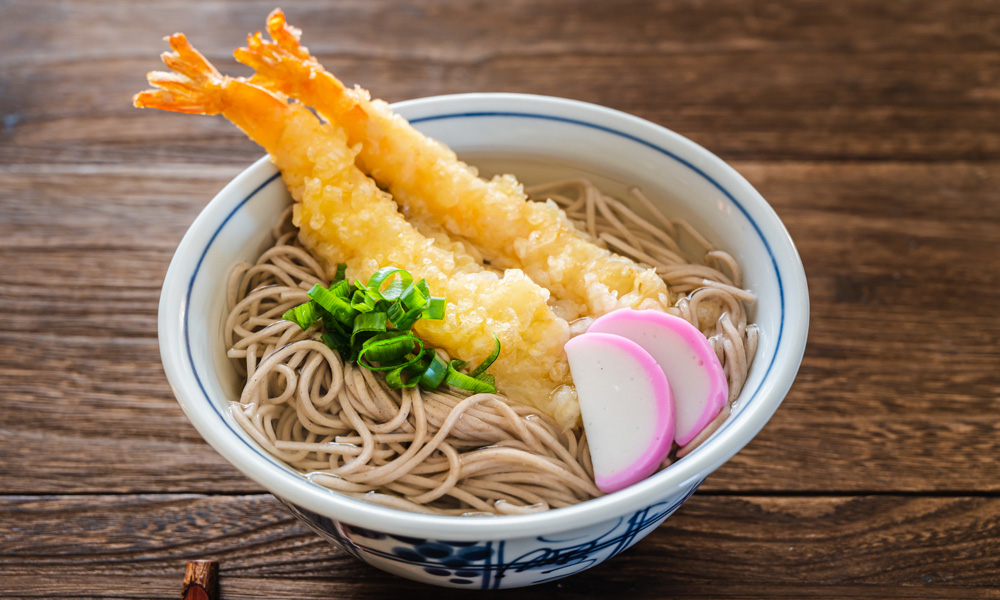
I love the moment when steam rises from a bowl of soba on a cold December night.
Even in a city full of noise, schedules, and last-minute changes, that steam feels like a pause button. New Year doesn’t have to be a countdown party. Sometimes, it’s simply warm broth, buckwheat noodles, and a clean breath—a way to cross into the next year with clarity.
I’m Mitsushige Shimizu, the person behind this website. Alongside my calligraphy work, I also create shop-front lettering—including signboards, noren (traditional fabric curtains), and menu lettering for soba restaurants. That’s why this guide isn’t just about “where to eat.” It’s about how Toshikoshi Soba becomes a whole experience: taste, atmosphere, and the quiet power of written strokes that welcome you at the door.
What Is Toshikoshi Soba—and Why Does It Matter?
Toshikoshi Soba is the tradition of eating soba at the end of the year to welcome the new one. The origin has several explanations, but you don’t need a history lecture to feel why it matters.
Toshikoshi Soba is special because it delivers three things with almost no friction:
- It becomes a ritual quickly—one bowl is enough.
- It warms the body and settles the mind—perfect for winter.
- It fits silence—you don’t need loud venues to make New Year meaningful.
In other words, when restaurants are booked out and plans change, this is one of the most reliable ways to experience “Japan in New Year mode.”
The Simple Plan That Prevents Disappointment: A Favorite + A Safe Choice + A Plan B
Year-end dining can be unpredictable. The strongest approach is to plan in three layers:
- Your Favorite: the bowl you’ll be happiest to get
- Your Safe Choice: something that still works even if it’s busy
- Your Plan B: a backup that still feels elegant (hotel / takeout / depachika)
Toshikoshi Soba is perfect for this structure because it adapts beautifully without losing meaning.
How to Choose Your “Favorite Bowl” (The Three Signals)
A memorable Toshikoshi Soba isn’t only about noodles. It’s about pace and atmosphere, too. Look for these signals:
1) The broth leads (dashi you can remember)
For New Year soba, the memory often lives in the broth—its aroma, depth, and balance.
When the dashi is clean and layered (not aggressively salty), you’ve found something real.
2) Temperature is respected
Hot soba should arrive truly hot. Cold soba should be properly chilled and firm.
Places that protect basics tend to hold quality even on crowded nights.
3) The rhythm feels right
If service is too rushed, the moment disappears. If it’s too slow, you get tired.
The best soba nights have a natural tempo: calm, efficient, and unforced.
When Should You Eat It? (Timing Shapes the Experience)
There is no rule that says you must eat at midnight. For travelers, timing is a strategy.
- Early (7–8 pm): less crowd pressure, more comfort, more quiet
- Middle (9–10 pm): the New Year feeling is present, but the risk stays manageable
- Late (around 11 pm): the mood is strongest, but waiting can steal the night
If you want atmosphere without stress, 9–10 pm is often the sweet spot.
What to Order: Let Winter Decide
Choose based on the mood you want, not the hype.
- Kake soba (hot): the most honest test of the broth
- Tempura soba: unbeatable when the tempura is fresh
- Kamo nanban (duck): richer, aromatic, quietly luxurious
- Zaru / seiro (cold): crisp noodle character, lighter aftertaste
In late December, “perfect” matters less than finishing the bowl feeling clean.
Why Soba Shop Lettering Feels So Right (A Note From the Calligrapher)
Soba restaurants often have a certain gravity before you even step inside.
It’s not only the smell. It’s the lettering—the signboard, the noren, the menu strokes.
Good shop-front calligraphy does three invisible jobs:
- the signboard tells you what kind of place this is in one glance
- the noren sets the ease and dignity of entry
- menu lettering reduces hesitation and supports the rhythm of ordering
When I create signage for soba shops, I’m not trying to “decorate” a restaurant.
I’m shaping the breath of the space with ink—so the first step inside already feels calm.
If you have a moment on your Toshikoshi Soba night, pause at the entrance and look at the strokes.
The way the brush leaves space—its speed, stop, and lift—often matches the quiet confidence you’ll taste in the bowl.
Plan B Can Still Be Beautiful: Three Tokyo Backups That Work
A strong New Year night is not about stubbornness. It’s about choosing a path that keeps the mood intact.
Depachika (department store food floors)
- high-quality takeaway soba and tempura options
- elegant variety without long waiting
- perfect for a quiet “room dinner” that still feels special
Hotel lounge / room service
- zero transfer stress
- warm, stable comfort
- a reliable way to protect your night
A minimal “room ritual”
Even without a kitchen, you can create a calm moment.
The key is not the setup—it’s the care: bowl, warmth, and a few quiet minutes.
A Small Ritual That Changes the Memory
The same soba becomes a different experience with one simple choice:
- for the first three minutes, turn your phone face down
- taste the broth aroma first—then the noodles
- after you finish, write one sentence about your year
It can be as short as:
- “This year aligned.”
- “This year began.”
- “This year softened.”
A single line turns a meal into a threshold.
Frequently Asked Questions
Where is the best place to eat Toshikoshi Soba?
Where you won’t be swallowed by crowds. Pick a favorite, but keep an elegant Plan B (depachika or hotel) so your night stays smooth.
Hot or cold soba for New Year?
Hot is comforting and “resetting.” Cold is clean and light—great if you want to feel fresh the next morning.
Do I need to chase famous soba shops?
Not necessarily. On year-end nights, ease and calm often matter more than fame.
Closing: The Quietest Japanese New Year Experience
Tokyo at the turn of the year can be loud.
But Toshikoshi Soba offers a different doorway into the new year: steam, broth, rhythm, and silence.
And if you notice the lettering at the entrance—the strokes on the noren, the signboard, the menu—
you’ll realize something subtle: in Japan, even a bowl of soba is guided by the same principle as calligraphy.
Leave space. Keep rhythm. Cross the year cleanly.
Deepen your connection to Japanese tradition.
Shop (calligraphy artworks): https://calligraphyartwork.stores.jp/

コメント