

How Shodo Japanese Calligraphy Became Everyday Culture in Japan
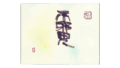
Shodo Japanese calligraphy is more than beautiful handwriting. It began as a way to record sacred texts and official decisions, but over time it stepped out of temples and palaces and into daily routines. Today an ink-dipped brush appears in New Year cards, school notebooks, café logos, gallery walls, and even fashion collaborations. With only the classic “Four Treasures” of fude brush, sumi ink, suzuri inkstone, and washi paper, shodo connects mindful practice, Japanese culture, and design in a way that feels both ancient and contemporary.
For many people searching online for “shodo japanese calligraphy” or “Japan and culture,” this art becomes a direct, tactile doorway into how Japan thinks about balance, rhythm, and empty space.
From Script to School: Calligraphy in Education
In Japanese elementary and junior-high schools, shodo Japanese calligraphy is still taught not only as neat writing but as training in posture, breathing, and focus. Students first learn kaisho, the clear block script, to master stroke order, direction, and pressure. As their control improves, they move to gyosho, the semi-cursive style, and finally to sosho, the flowing cursive that feels almost like music on the page.
Every January, the kakizome “first writing of the year” turns these skills into a shared ritual. Children and adults write a character or phrase that captures their intention for the new year—words like “peace,” “gratitude,” or “beginning”—anchoring their goals not just in language but in the weight of ink and the sound of the brush on paper.
Seasonal Rituals and Rooms That Breathe
Shodo travels through the seasons of Japanese culture. New Year greetings, tea gatherings, weddings, memorials, and local festivals often include a hanging scroll or shikishi board with a short phrase. In a traditional tatami room, the tokonoma alcove may hold a kakejiku scroll in winter and a fresh work in summer, tuning the atmosphere of the room just by changing one or two characters.
Here, calligraphy lives side by side with sumi e ink painting. A bold brushed phrase can hang next to a minimalist sumi e landscape, both painted with the same sumi ink and fude brush. Together they create a space that feels quiet yet alive, shaped by ma—the intentional negative space that lets each stroke “breathe.”
Ma, Breath, Zen, and the Line Between Shodo and Sumi e
Many Japanese artists describe shodo as breath made visible. The pause before the brush touches the paper, the acceleration of the stroke, and the way the line lifts at the end all reflect the artist’s state of mind. Just as in sumi e, the goal is not to copy an object perfectly but to capture its spirit with as few marks as possible.
Zen-inspired motifs such as the ensō, a circle brushed in a single, unbroken motion, embody both discipline and spontaneity. Imperfections—an uneven edge, a splash of ink—are not mistakes to be erased but evidence of a unique moment in time. This mix of control and letting go is one reason shodo Japanese calligraphy is often compared to meditation or mindful movement.
Tools and Styles: Four Treasures, Three Scripts
The basic tools are simple, but each choice affects how the work feels. A softer fude holds more ink and creates long, continuous lines; a stiffer brush carves crisp corners in kaisho. Denser sumi produces deep, velvety blacks suitable for official documents or certificates, while a lighter ink reveals subtle grays more familiar from sumi e. The surface of the suzuri inkstone influences how the ink grinds and how much water it absorbs before each stroke.
The main scripts—kaisho, gyosho, and sosho—let a calligrapher match style to context. Kaisho emphasizes clarity and structure for names, seals, and formal pieces. Gyosho balances readability and flow, often seen in poetry or personal messages. Sosho, the most abstract, allows the hand to chase rhythm and emotion, closer to the gestures of a Japanese artist painting on a large canvas.
From Studio to Street: Branding, Performance, and Japanese Artists
Step outside and you will find traces of shodo throughout everyday Japanese culture. Restaurant façades use bold brush lettering to signal warmth, tradition, or playful energy. Product packaging combines minimal layout with a single dynamic character, fusing modern graphic design with the feel of sumi and washi. Street banners for festivals, sake labels, and even game or anime logos may rely on calligraphic lines to communicate place and identity at a glance.
In performance calligraphy, these elements become a live event. Teams of young Japanese artists roll out huge sheets of paper on gym floors or outdoor stages, then paint large characters in sync with music. The audience watches as words like “hope,” “future,” or “harmony” appear stroke by stroke, turning language into moving image. For visitors interested in Japanese culture, these performances often become a vivid first encounter with shodo and sumi e as living arts, not just museum pieces.
Start Your Own Practice (Where Art Meets Daily Life)
You do not need a dedicated studio in Tokyo or Kyoto to begin. A medium fude brush, bottled sumi ink or an ink stick with a small suzuri, a stack of practice paper, and a few sheets of better washi are enough to start feeling how entry, pressure, and release change each line. Even ten quiet minutes a day—writing one character, a short phrase, or your favorite haiku—can become a ritual that reduces distraction and clarifies your intentions.
As your confidence grows, you might explore related practices like sumi e ink painting, using the same tools to paint bamboo, mountains, or the moon. For many people abroad, combining shodo Japanese calligraphy with sumi e is a natural way to bring Japanese culture into the home: a small corner with brush, ink, and paper becomes a space to reset between work and daily life.
A Living Tradition in Modern Japan and Culture
Shodo Japanese calligraphy remains a living tradition woven into education, design, and everyday rituals in Japan. It shapes how people learn to write, how they greet the new year, how they decorate a room, and how brands express “authenticity” in a single character. Its power lies in restraint—the decisive line, the silence around it, and the acceptance that each work can only be created once.
For anyone curious about Japanese culture, shodo and sumi e offer more than images to admire. They are practices you can adopt, gradually aligning hand, breath, and attention. In that sense, Japanese calligraphy is not only about the beauty of the finished piece; it is about how each stroke quietly deepens your relationship with Japan and culture in your own everyday life.
deepens your connection to Japanese tradition.
Explore and purchase hand-selected Japanese calligraphy artworks:
https://calligraphyartwork.stores.jp/
コメント