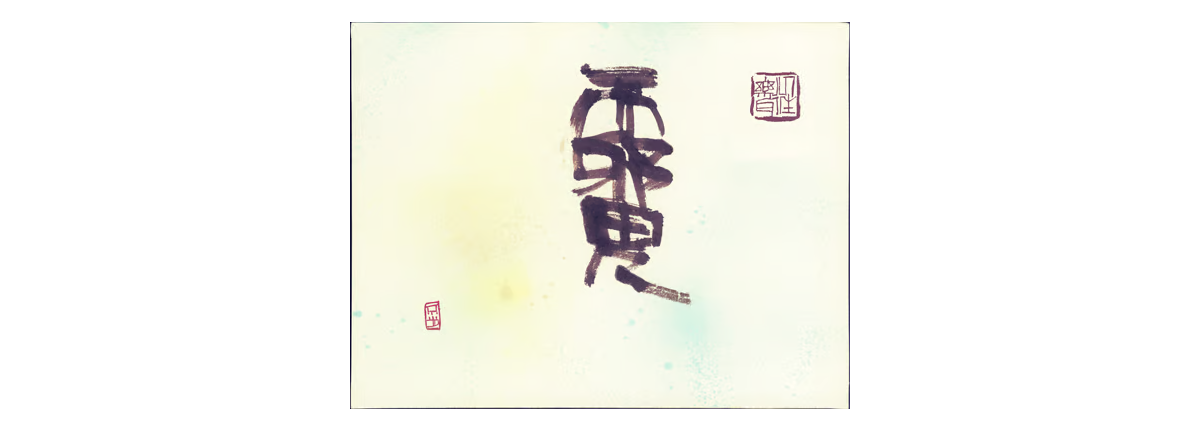
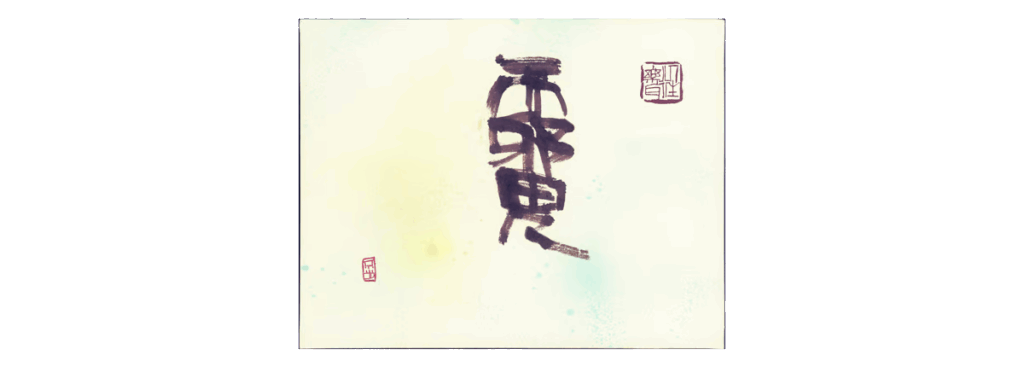
Shodo Japanese calligraphy is often translated as “the way of writing.” It’s much more than writing beautifully with a brush. It’s a living art where breath, posture, and rhythm flow together in black ink. With a fude brush, sumi ink, suzuri inkstone, and washi paper—the classic “Four Treasures” of the calligrapher—each stroke becomes a record of timing, pressure, pause, and release. ウィキペディア+1
For anyone exploring Japan and culture, shodo is one of the most direct, tactile ways to feel how Japanese culture balances discipline and freedom, stillness and movement.
What Is Shodo Japanese Calligraphy?
The word shodō (書道) combines sho (to write) and dō (way or path). Like other Japanese “dō” arts—tea ceremony, flower arrangement, or martial arts—shodo is a lifelong practice of refining both technique and inner attitude. NAMAEYA
In shodo, you write kanji and kana characters with a brush dipped in sumi ink. Each character is completed in a single, continuous sequence. There is no “undo.” A hesitant hand, a distracted mind, or a rushed breath all appear clearly in the line. This is why many people compare shodo to meditation in motion, and why it is deeply connected with Zen thought in Japanese culture. ウィキペディア+1
For someone overseas, learning about shodo is a powerful entry point into Japan and culture as a whole. Through the stroke of a single character, you experience ideas like balance, impermanence, and presence—not as theory, but as the feel of the brush in your hand.
Shodo in Everyday Japanese Culture
Shodo doesn’t live only in museums. It appears in both everyday life and special ceremonies:
- New Year’s kakizome – the “first writing” of the year, when people write hopeful words or phrases for the coming months.
- School education – many children in Japan learn basic calligraphy in elementary or junior high school. Japan Guide+1
- Shrines and temples – votive tablets, talismans, and inscriptions carry powerful characters written by trained hands.
- Seasonal displays – hanging scrolls with seasonal words, poems, or Zen phrases decorate homes and tea rooms.
When you see works by a Japanese artist trained in shodo, you’re not only looking at letters. You’re seeing breath, posture, and a lifetime of practice condensed into black ink on white paper.
The Four Treasures: Tools That Shape the Line
Traditional shodo uses a focused set of tools often called the “Four Treasures of the Study”: ウィキペディア+2Wabunka Enterprise+2
- Fude (brush) – comes in many sizes, from small brushes for fine characters to large ones for bold, expressive works.
- Sumi (ink) – made from soot and glue, used as a solid ink stick or as convenient bottled liquid ink.
- Suzuri (inkstone) – a stone surface where you grind the ink stick with water to produce rich, deep black.
- Washi (Japanese paper) – absorbent yet strong, it captures tiny differences in pressure and speed.
Supporting tools complete the setup: a shitajiki felt mat under the paper, a bunchin paperweight, and a red tenkoku seal to finish the work. Each tool shapes the final character, and choosing them carefully is part of the artistic process for any serious Japanese artist.
Core Styles of Shodo (And What They Train)
Shodo includes several main writing styles, each one training a different sensitivity in the hand and eye. ウィキペディア+1
- Kaisho (standard script)
Clear, square, and easy to read. Most learners start with kaisho to understand structure and stroke order. - Gyosho (semi-cursive)
More flowing, with strokes often linked together. Gyosho teaches how to connect characters smoothly and control rhythm. - Sosho (cursive)
Highly simplified and expressive. Characters may look almost abstract, which trains intuition and boldness. - Reisho (clerical script) and Tensho (seal script)
Older, more decorative styles with strong horizontal lines or rounded forms. These are often used for titles, seals, or large works that need a dramatic impact.
Switching between these styles sharpens your sense of proportion, visual weight, spacing, and ma—the meaningful “empty” space that gives each stroke room to breathe.
Technique: From Posture to First Stroke
You can think of shodo as controlled breath on paper.
- Posture
Sit with a straight but relaxed spine. Drop your shoulders, place both feet flat, and let your arms move from the elbow, not just the wrist. - Brush grip
Hold the brush upright between thumb and fingers, leaving space between your hand and the paper. This vertical grip helps you change pressure smoothly. - Breath and rhythm
Inhale before you start a stroke. Exhale as you press, glide, pause, and lift. Try to keep your breath steady and your movement continuous. - Three relationships to watch
- Thick vs. thin lines
- Black ink vs. white space
- Near strokes vs. far strokes
When these relationships feel balanced, the character “sits” naturally on the paper—even to a viewer who can’t read Japanese.
A classic training method is rinsho: copying excellent models. Instead of trying to invent your own style on day one, you copy strong examples again and again. Over time, your own personality quietly appears in the line.
Shodo vs. Sumi-e: Same Ink, Different Goals
People searching for shodo japanese calligraphy often also encounter sumi e (ink-wash painting). Both use brush and sumi ink, but the focus is different.
- Shodo writes characters—kanji and kana—with an emphasis on structure, balance, and rhythm.
- Sumi-e paints scenes and motifs such as bamboo, plum blossoms, mountains, or birds. It uses graded washes and textures to suggest light, space, and atmosphere. Washi Arts+1
Many creators in Japanese culture practice both: shodo builds structure and cadence; sumi e develops sensitivity to tone, water, and “spirit” rather than precise detail.
How to Start Shodo Respectfully as a Beginner
You don’t need a huge studio to begin. A simple, respectful starter kit is enough:
- 1 medium fude brush
- Bottled sumi ink for easy setup
- A small suzuri (or ink dish)
- Practice paper plus a few sheets of higher-quality washi
- A felt mat and a paperweight if possible
A good self-training session might look like this:
- Write a few rows of kaisho to learn basic forms.
- Try one sheet in gyosho to feel more flow.
- End with one chosen character written once only—no corrections—to practice decision and confidence.
If you join a class in Japan or online, a teacher can refine your posture and brush grip, help you see ma, and guide you through levels of difficulty. Japan Society
Shodo in Modern Creative Life
Today, shodo appears far beyond the traditional scroll:
- Brand logos and packaging that want a sense of authenticity or emotional impact
- Film titles, anime visuals, and game graphics that need dramatic brush energy
- Album covers, fashion, and kimono design that combine old characters with contemporary style
- Digital design and typography, where brush-written characters are scanned, vectorized, and animated
For many people overseas, discovering a piece of shodo by a contemporary Japanese artist is a vivid way to bring Japanese culture into their home or workspace in an honest, non-touristic way.
Choosing Japanese Calligraphy Art for Your Space
If you’re someone who’s willing to invest money to bring Japan and culture into your daily life, original shodo artworks are a strong choice.
When you look for a piece:
- Check the word or phrase
Is it a Zen term, a seasonal word, a poem fragment, or a personal motto that resonates with you? - Observe the energy of the strokes
Are they calm and steady, bold and dynamic, or playful and light? - Notice the balance of ink and space
Good shodo feels alive even from across the room.
Choosing a work created by a dedicated Japanese artist means you’re not just buying decoration—you’re supporting a living tradition and inviting its mindset into your daily routine.
FAQs About Shodo Japanese Calligraphy
1. Do I need to know Japanese to enjoy shodo?
No. Even if you can’t read kanji or kana, you can still respond to the rhythm, contrast, and energy of the strokes. Learning the basic meaning of a few characters can deepen your appreciation over time.
2. What’s the main difference between shodo and sumi e?
Shodo focuses on writing characters; sumi e focuses on painting scenes and natural motifs. Both use similar tools and share ideas like simplicity, balance, and capturing the “spirit” of the subject rather than photorealistic detail.
3. Is shodo connected to Zen or meditation?
Yes. Many people treat shodo as a form of moving meditation. Because each stroke is done in one breath and can’t be corrected, it encourages focus, honesty, and acceptance of the present moment. ウィキペディア+1
4. How can I experience shodo while traveling in Japan?
Look for calligraphy workshops, cultural experience studios, or short classes where you can learn basic posture, tools, and characters from a Japanese artist. Some temples, cultural centers, and private studios offer beginner-friendly sessions in English.
5. What should I look for when buying shodo art online?
Check the reputation of the artist or gallery, confirm what the characters mean, and look for clear photos of the strokes and paper texture. Authentic works usually show the artist’s red seal and may come with a brief explanation of the word or phrase.
6. Can children or complete beginners practice shodo?
Absolutely. In Japan, many children learn simple characters through shodo classes at school. Adults can also start from zero, using easy models and short practice sessions. The key is to enjoy the process rather than chase perfection.
Conclusion: Let the Ink Guide You Into Japanese Culture
Shodo turns attention into form. With each stroke, it slows the world just enough for intention to become visible. For anyone exploring Japan and culture, this isn’t an abstract lesson—it’s something you can feel directly in your hand as the brush meets paper.
Whether you simply appreciate artworks on your wall, attend a workshop during a trip to Japan, or begin your own practice at home, shodo japanese calligraphy offers a clear, honest path into Japanese culture. One character, one breath, one unrepeatable moment at a time, it invites you to read the mind of the Japanese artist in every line—and to discover your own.
deepens your connection to Japanese tradition.
Explore and purchase hand-selected Japanese calligraphy artworks:
https://calligraphyartwork.stores.jp/
コメント
こんにちは、これはコメントです。
コメントの承認、編集、削除を始めるにはダッシュボードの「コメント」画面にアクセスしてください。
コメントのアバターは「Gravatar」から取得されます。