The Calligraphy of Taste: When Food Becomes Art
In Japan, chefs and calligraphers share a common language—silence, precision, and flow.
Both begin with a blank surface, whether paper or porcelain.
Both study movement, temperature, and timing until intuition replaces technique.
And both understand that beauty lies not in decoration, but in restraint.
A Dish Is a Character
Every Japanese dish can be read like a character in calligraphy.
The curve of a sushi roll, the balance of sashimi on a white plate, the empty space between bowls—all form a visual rhythm.
Just as calligraphy transforms a single word into emotion, cuisine transforms simple ingredients into story.
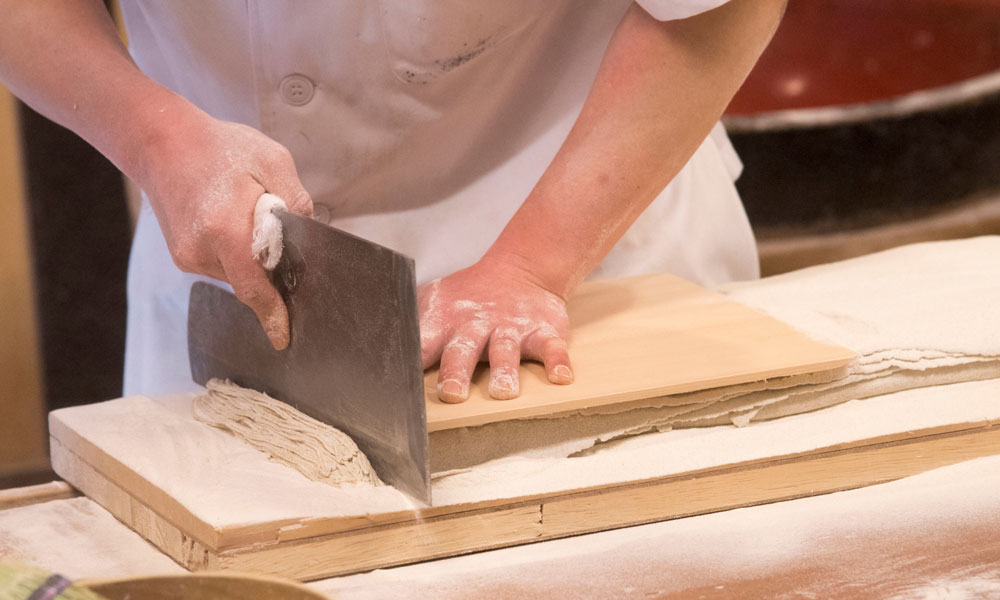
The sushi master’s knife replaces the brush; soy sauce replaces ink.
His movements are decisive and irreversible, like strokes of kanji drawn in one breath.
Plates as Paper, Garnish as Ink
Minimalism defines both arts.
A calligrapher’s blank page invites imagination; a chef’s white porcelain invites contrast.
A drizzle of dark sauce resembles an ink stroke across snow.
The Japanese concept of ma—the meaningful pause—applies to taste as well as sight.
Too much seasoning or plating noise destroys balance; too little leaves the viewer unsatisfied.
Finding harmony is an act of empathy.
Zen in the Kitchen
Traditional kaiseki cuisine is often compared to poetry.
Each course represents a season, each transition a breath.
Before the meal, chefs bow to ingredients, acknowledging their impermanence—the same humility that guides shodo Japanese calligraphy.
The slow rhythm of preparation mirrors the grinding of an ink stick.
Cooking becomes meditation. The kitchen becomes a dojo.
The Brushstroke of Heat
Fire, steam, and blade—these are the elements of edible calligraphy.
The searing of fish creates gradients like ink wash; the glaze of soy creates sheen like polished sumi.
Timing is everything: hesitate, and the line blurs; rush, and balance collapses.
Chefs speak of “catching the living line” (ikiru sen)—exactly the phrase calligraphers use when their brush finds perfect energy flow.
Both arts chase that fleeting instant when skill and spirit unite.
Masters of Both Worlds
Some contemporary Japanese artists blur the line literally.
Restaurants collaborate with calligraphers to design menus where each dish title is hand-brushed, turning dining into gallery experience.
Exhibitions like “Ink and Appetite” in Kyoto or Tokyo blend food plating and sumi-e installations, inviting visitors to taste what they see.
This interdisciplinary approach fascinates international audiences hungry for cultural authenticity.
They discover that to understand Japan, one must taste its silence as much as its flavor.
Why It Matters Now
In an age of sensory overload, both handwriting and hand-cooked food reclaim human presence.
They remind us that imperfection, when intentional, is elegance.
That mastery is measured not by speed, but by awareness.
The resurgence of calligraphy exhibitions abroad parallels the rise of omakase dining—intimate, human, fleeting.
Both invite trust: you let someone else guide your senses.
Toward a New Aesthetic of Nourishment
The fusion of food and calligraphy reveals Japan’s deepest truth:
Creation is communion. To draw, to cook, to serve—each act is gratitude made visible.
In every brushstroke and every flavor lies the same wish: to connect hearts through form.
That, perhaps, is the quietest yet most lasting taste of Japan.
deepens your connection to Japanese tradition.
Explore and purchase hand-selected Japanese calligraphy artworks:
https://calligraphyartwork.stores.jp/
コメント