
When higanbana (red spider lilies) line the paths around the autumn equinox, Japan slips into the season of art and focus. It’s the perfect time to begin Japanese calligraphy (shodō)—quiet, tactile, and deeply rooted in Japanese culture. Nippon
Why start with “一” (one)?
Your first character should be 一. It looks simple, yet it trains everything that matters: posture, brush placement, speed control, and the finish of each stroke. Many children in Japan encounter calligraphy early at school, building fundamentals through basic lines before characters. Web Japan+1
A 5-minute mini lesson for “一”
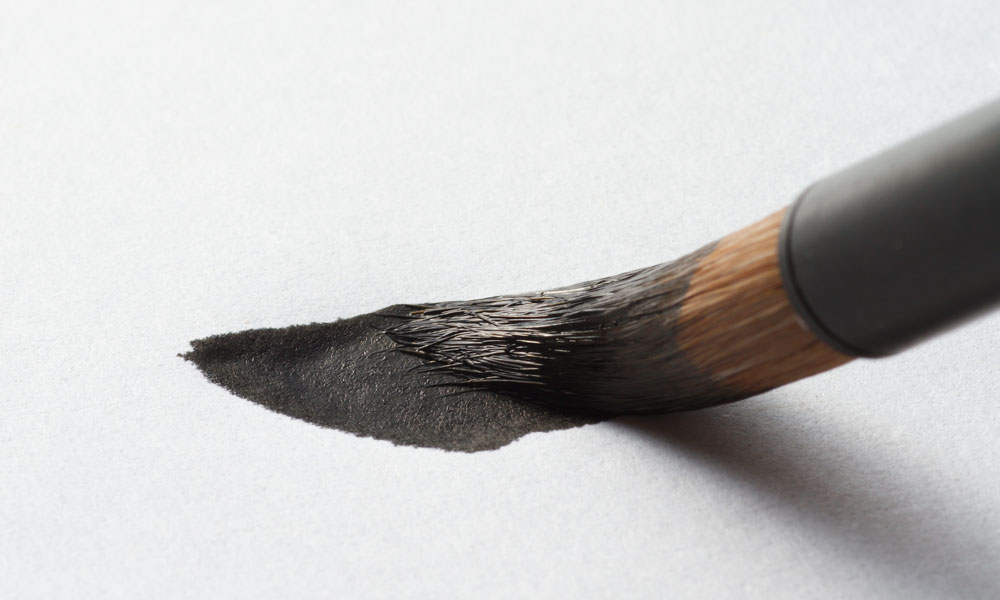
- Sit tall, feet grounded; relax your shoulders.
- Tools: a mid-size fude (brush), sumi (ink), washi (paper), and—when you’re ready—an inkstone (suzuri). These are the classic “Four Treasures of the Study.”
- Hold the brush upright.
- Place the tip, glide horizontally, and stop with a gentle press to settle the ink.
- Write five times. Compare spacing and balance (ma, the use of negative space).
Count your way forward: 二, 三, 四, 五
- 二 teaches parallel lines and measured spacing.
- 三 adds rhythm—top, middle, bottom must “breathe.”
- 四・五 introduce variation in length and density, building composition skills you’ll use in kaisho, gyōsho, and sōsho (regular, semi-cursive, cursive) as you progress. Japan Guide
Why autumn helps beginners
Stable, cooler weather tames drying and bleed, making it easier to feel the brush, manage ink flow, and refine stops, flicks, and lifts. The season’s calm suits shodō’s meditative side, long linked—historically and philosophically—to mindful practice in Japan.
Essential kit (start small, upgrade later)
- Brush (fude): one medium brush is enough.
- Ink (sumi): bottled ink for convenience; grind an ink stick when you want the aroma and nuanced tones.
- Paper (washi) + underlay and paperweight.
These “Four Treasures” are the heartbeat of Japanese calligraphy.
A 30-minute weekly routine (for busy people)
- 5 min breath & posture
- 10 min: ten “一” (keep your best three)
- 10 min: “二” & “三” (spacing and parallels)
- 5 min: photograph your best sheet; note one improvement goal
For collectors and design lovers
Each sheet is a one-take performance—ink, fiber, pressure, and tempo capture the hand of the Japanese artist in that moment. It’s an analog, sensory artwork you can live with: sound of grinding ink, scent of sumi, the feel of washi—timeless elements of Japanese culture expressed through line.
Your first step today
On your next walk, spot the higanbana—then return home and write “一” five times. Tomorrow, “二.” The day after, “三.” Autumn turns into your first portfolio, one steady stroke at a time.
deepens your connection to Japanese tradition.
Explore and purchase hand-selected Japanese calligraphy artworks:
https://calligraphyartwork.stores.jp/
Discover the stories, history, and unique meaning behind Japanese calligraphy:
https://0108shimizu.wixsite.com/japanesecalligraphy


コメント