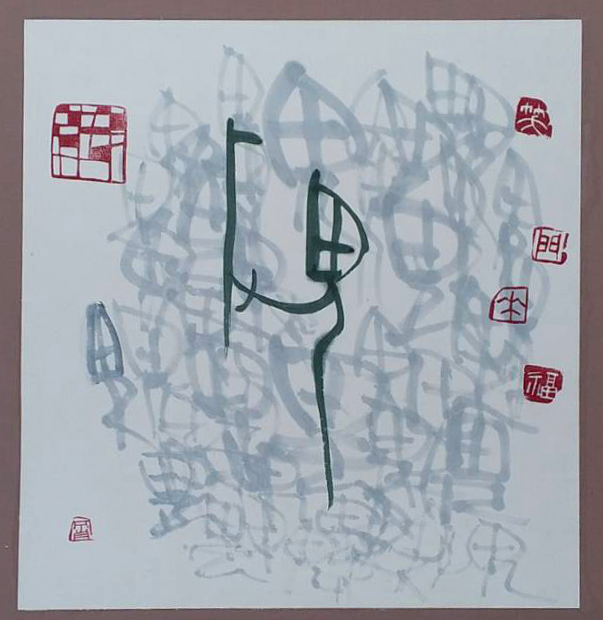
Prince Shōtoku (Umayado no Ōji) stands as one of the most influential figures in Japan’s early history. Celebrated as a political reformer and a devoted Buddhist scholar, he also played a crucial but often overlooked role in cultivating the foundations of shodo japanese calligraphy, sumi e, and the written expressions that define Japanese culture today.
For modern readers who admire Japanese aesthetics, Zen philosophy, or contemporary Japanese artists, Shōtoku’s story offers a compelling reminder: before calligraphy became an art form, it was a spiritual and intellectual technology—one that helped shape the identity of an emerging nation.
Below is the strongest SEO-optimized version of this column, crafted to meet the needs of international readers who seek deeper cultural insight into Japan and culture.
Why Prince Shōtoku Still Matters in the World of Japanese Calligraphy
A Political Visionary Who Knew the Power of the Brush
Prince Shōtoku’s era marked a cultural turning point. As Buddhism entered Japan, it brought a sophisticated written tradition centered on Chinese characters. To transmit Buddhist teachings accurately, Japan needed not only literacy but also philosophical interpretation. Shōtoku embraced this challenge.
He studied sutras extensively and produced influential commentaries such as the Hokke Gisho. His writing was intentional—each stroke of ink expressed clarity, devotion, and nation-building purpose.
This was writing not as ornamentation, but writing as ideology. Writing as diplomacy. Writing as cultural creation.
Japan and Culture: A Shift from Oral to Written Civilization
Shōtoku’s works helped Japan evolve from an oral society into one where ideas were recorded, preserved, and shared. This transition laid the foundation for later aesthetic traditions, including:
- shodo japanese calligraphy
- sumi e (ink painting)
- classical literature
- Zen-influenced art and poetry
In other words, every modern engagement with Japanese culture—whether through museums, workshops, or collectible artworks—can be traced back to this shift initiated in Shōtoku’s time.
Writing as a Spiritual Discipline: Buddhism, Ink, and Inner Focus
Sutra Copying as Meditation
In the 7th century, transcribing sutras was one of the most important religious acts. It required precision, discipline, and emotional clarity. The brush became a spiritual instrument; the act of writing became mindfulness itself.
This practice—rooted in Buddhist tradition—later inspired the entire ethos of shodo japanese calligraphy, where technique and spirituality merge.
The Hokke Gisho and the Meaning Behind Every Stroke
The Hokke Gisho, traditionally attributed to Prince Shōtoku, reflects an early Japanese attempt to interpret Buddhist teachings for local audiences. Even if written collaboratively, its legacy symbolizes how writing transformed Japan’s intellectual landscape.
Its strokes embody the earliest form of what we now call kokoro (“heart-mind”)—the idea that one’s inner state flows directly into the brush.
“Harmony Is to Be Valued”: Why This Written Message Shaped a Nation
A Word That Survived for 1,400 Years
“Harmony is to be valued,” the opening line of the Seventeen-Article Constitution, endures because it was written. Writing made the idea portable, copyable, and interpretable across generations. Without text, the idea would have disappeared.
This principle remains central to how the world understands Japanese culture today: balance, cooperation, inner stillness, and respect for community.
Writing as a Political and Cultural Technology
Shōtoku recognized that writing could unify beliefs and coordinate social behavior. In this sense, he anticipated the core philosophy of shodo japanese calligraphy—that writing is not just visual; it is ethical and psychological.
It communicates values.
It influences identity.
It shapes culture.
From Shōtoku’s Brush Philosophy to Modern Japanese Calligraphy
The Roots of “Sho wa hito nari” — Calligraphy Reflects the Person
While Shōtoku lived centuries before calligraphy became a formal discipline, his approach helped establish the philosophy behind it: the idea that handwriting expresses the writer’s inner character. This belief later evolved into:
Sho wa hito nari — “Calligraphy is the person.”
Modern calligraphers still follow this principle, emphasizing breath, posture, brush rhythm, and emotional clarity.
Why the World Is Turning to Shodo Today
International interest in shodo japanese calligraphy and sumi e has surged, especially among people seeking:
- authentic Japanese cultural experiences
- mindfulness and Zen-inspired practices
- unique, meaningful art for their homes
- access to real Japanese artists creating contemporary works
For many, the act of writing becomes a quiet ritual—a moment to slow down in a fast-moving world.
Sumi-e and Shodo: Two Traditions, One Spirit
The Beauty of Irreversible Ink
Sumi e, known globally as Japanese ink painting, shares deep spiritual roots with calligraphy. Both emphasize:
- one chance per stroke
- acceptance of imperfection
- harmony between control and spontaneity
- the expressive power of black ink on white space
This is why sumi e and shodo often appeal to the same collectors and cultural enthusiasts.
Modern Japanese Artists Carrying the Legacy Forward
Today’s leading Japanese artists reinterpret traditional tools—ink, brush, paper—through contemporary aesthetics. Their works are displayed in galleries, online exhibitions, and private collections worldwide.
International collectors describe these artworks as:
- “calming”
- “minimal yet powerful”
- “a piece of living Japanese heritage”
For many, owning such art is not just decoration but a cultural investment.
A Message for Global Readers: Connect to Japan One Character at a Time
The Power of Slowing Down
In an age of constant notifications and digital overload, writing a single character—such as “harmony,” “heart,” or “light”—can feel revolutionary. This simple act connects you to a 1,400-year-old lineage of intentional writing.
Why Collecting Japanese Calligraphy Is a Cultural Experience
Purchasing an original calligraphy work from a Japanese artist allows you to:
- bring authentic Japanese culture into your daily life
- support traditional art forms
- connect emotionally with the meaning behind the characters
- create a serene atmosphere in your home or workspace
Collectors worldwide increasingly view calligraphy not as decoration but as a way to participate in Japan’s living artistic tradition.
Frequently Asked Questions (FAQ)
Q1. Was Prince Shōtoku really connected to Japanese calligraphy?
Yes. While calligraphy was not yet classified as an art form, his sutra commentaries and government writings laid the intellectual foundation for Japan’s written aesthetic culture.
Q2. What makes shodo different from Western calligraphy?
Shodo integrates Zen-like mindfulness, body movement, and a belief that writing expresses the inner self. It is both artistic and spiritual.
Q3. How is sumi e related to Japanese calligraphy?
Both use ink and brush techniques. Sumi e paints imagery, while shodo expresses characters, but both emphasize intuition and the beauty of the single stroke.
Q4. Why is Shōtoku’s “Harmony is to be valued” still quoted today?
Because it was preserved in writing, allowing the concept of harmony to become a central pillar of Japanese cultural identity.
Q5. Can beginners practice shodo at home?
Absolutely. Even writing one simple character slowly can recreate the meditative essence of traditional Japanese calligraphy.
Q6. How do I choose a meaningful calligraphy piece to purchase?
Select a character that aligns with your personal values—peace, courage, gratitude, or harmony. This allows the artwork to enrich your daily life.
Conclusion — From Prince Shōtoku’s Brush to Your Own Hands
Prince Shōtoku helped shape the philosophical and spiritual foundations of Japan through writing. His sutra commentaries, political documents, and devotion to Buddhist learning created the conditions that later gave rise to shodo japanese calligraphy, sumi e, and the aesthetics that define Japanese culture today.
When you write even a single character—slowly, intentionally, and with presence—you step into the same flow of tradition that guided Shōtoku’s brush more than a millennium ago.
deepens your connection to Japanese tradition.
Explore and purchase hand-selected Japanese calligraphy artworks:
https://calligraphyartwork.stores.jp/

コメント