
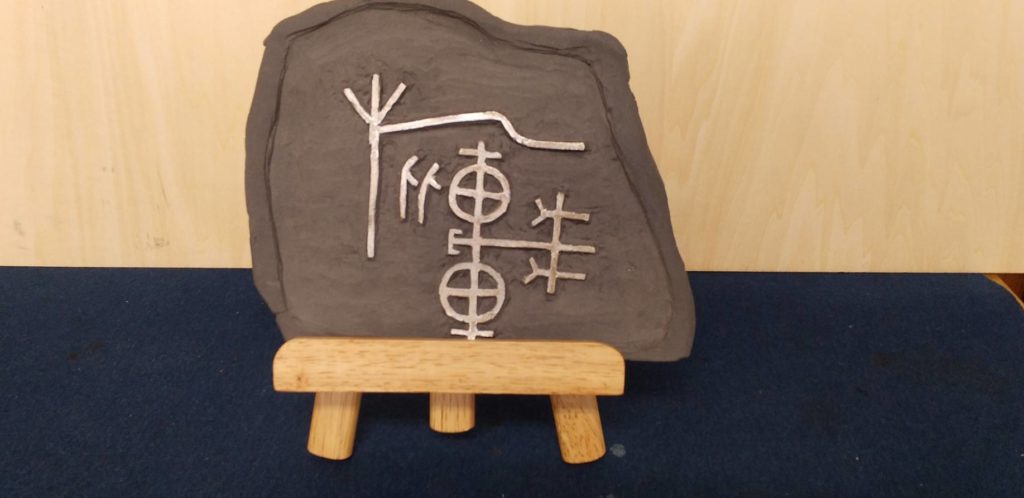
Introduction: Key Figures Behind Shodo Japanese Calligraphy
Shodo Japanese calligraphy is often introduced today alongside sumi e ink painting as an elegant gateway into Japanese culture. For anyone searching “shodo Japanese calligraphy” or “Japan and culture,” the art can look timeless and serene—yet its foundations were laid by very concrete historical actors. Diplomats, monks, ministers, and an empress used brush and ink as tools of diplomacy, state-building, and faith long before the modern Japanese artist turned calligraphy into gallery art.
The Asuka Period: When Writing Entered Politics and Faith
The story of Japanese calligraphy as a national tradition begins in the Asuka period (late 6th–early 7th century). During this time, kanji characters, Buddhist sutras, and Chinese-style documents entered the court together, carried by envoys traveling between Japan and the continent. Written language was still new, but leaders quickly understood its power: script could transmit doctrine, organize government reforms, and visually align Japan with the great civilizations of East Asia.
Diplomats, Monks, and Emperors as Cultural Architects
In this setting, writing was not yet the quiet studio practice we associate with shodo Japanese calligraphy. It was a state project. Emperors approved embassies, ministers negotiated with foreign courts, and monks studied classics and sutras abroad, then taught them at home. The calligraphic line was already doing three jobs at once—political, spiritual, and cultural.
Prince Shōtoku: Script as Statecraft and Spiritual Practice
Hokke Gisho and the Sacred Dimension of Writing
Prince Shōtoku (574–622) is remembered as a central architect of early Japanese culture and governance. He championed Buddhism, helped frame the early state ideology, and treated writing as a bridge between doctrine and policy.
Among the works traditionally attributed to him is the Hokke Gisho, a commentary on the Lotus Sutra often cited as one of the oldest surviving Japanese texts. Written in Chinese characters and in a Chinese calligraphic style, it shows how brush and ink became tools to interpret Buddhist thought while also signaling the intellectual level of the Japanese court.
For Shōtoku, script was not only administrative. It was a medium where belief, ethics, and authority were all “written into” the visual rhythm of kanji. This attitude would echo for centuries in shodo Japanese calligraphy, where copying sutras and composing formal documents remained core practices.
Ono no Imoko: Diplomacy Written in Kanji
“From the Land Where the Sun Rises…”
Ono no Imoko, introduced in Column #8, served Empress Suiko as an envoy to the Sui dynasty in China. In 607, he carried a letter composed under Prince Shōtoku’s authority that began:
“From the Son of Heaven in the land where the sun rises
to the Son of Heaven in the land where the sun sets.”
The wording surprised—and reportedly angered—the Sui emperor. Japan had positioned itself as an equal, not a subordinate, and did so in carefully written Chinese characters. The letter was a political message, but also a bold statement that Japan could speak in the shared written language of the region with confidence.
Importing Calligraphic Culture
On his missions, Ono no Imoko and his colleagues encountered advanced bureaucratic documents, Buddhist manuscripts, and refined Chinese calligraphy. When they returned, they brought back not only books but also models of how to hold the brush, how to balance characters, and how to structure official texts.
This transfer of know-how helped transform kanji from a foreign code into a working script at the Japanese court. It laid a foundation for later developments in shodo Japanese calligraphy and even influenced how later Japanese artists would compose lines in sumi e and other ink traditions.
Monk Min (Sōmin): Teaching the Court to Read
From Envoy Student to Calligraphy Educator
Monk Min (Sōmin) traveled to China in the same wave of official missions and stayed there to study for an extended period. When he returned to Japan, he became a crucial educator, teaching leading courtiers how to read and interpret Chinese classics such as the I Ching.
By guiding elites through complex texts, he helped embed literacy into the daily functioning of government and religion. Kanji stopped being a rare skill known only to a few specialists and began to spread as a practical tool of governance and scholarship. Without this educational groundwork, Japanese calligraphy could not have become a widespread cultural practice.
Soga no Umako: Patron of Buddhism and Written Culture
Temples, Sutras, and the Politics of Ink
Soga no Umako was one of the most powerful nobles of the Asuka period and a key supporter of Buddhism. By backing temple construction and sponsoring the copying of sutras, he created both the physical spaces and the written materials needed for a Buddhist culture to flourish.
Sutra copying required disciplined brushwork and standardized characters. Supporting this activity meant funding not only religious infrastructure but also the training of scribes and calligraphers. In this way, Soga no Umako’s political choices strengthened the link between brush, belief, and social order.
Empress Suiko: An Era That Welcomed “Japan and Culture”
Creating Space for Cultural Exchange
Empress Suiko, the first woman to rule Japan as a fully recognized sovereign, presided over a period of intense cultural import and experimentation. She authorized diplomatic missions to China, encouraged the adoption of Buddhism, and empowered figures like Prince Shōtoku and Ono no Imoko to act on behalf of the state.
Under her reign, script became central to what we might now call “Japan and culture”: sending letters abroad, recording edicts at home, and hosting imported sutras and ritual texts. The environment she created allowed shodo Japanese calligraphy to take root as both an administrative tool and a spiritual art.
Conclusion: How Leaders Wrote a Culture into Being
The key figures of early Japanese calligraphy were not studio-bound artists but nation-builders. Princes and princesses, diplomats and monks, ministers and patrons all treated writing as a powerful technology—one that could define borders, express doctrine, and shape identity.
Today, when a Japanese artist creates a bold shodo work on handmade washi or when a sumi e piece hangs beside calligraphy in a gallery, those lines carry the afterimage of these Asuka-period decisions. Every character still echoes the moment when Japan chose to adopt kanji, reinterpret it, and eventually transform it into a uniquely Japanese visual language.
For readers exploring Japanese culture through keywords like shodo Japanese calligraphy, sumi e, Japanese artist, or even the broad phrase Japan and culture, understanding these historical figures deepens the experience. The brushstroke is not only beautiful—it is historical, political, and profoundly human.
deepens your connection to Japanese tradition.
Explore and purchase hand-selected Japanese calligraphy artworks:
https://calligraphyartwork.stores.jp/
コメント